
 Rare Coin Gem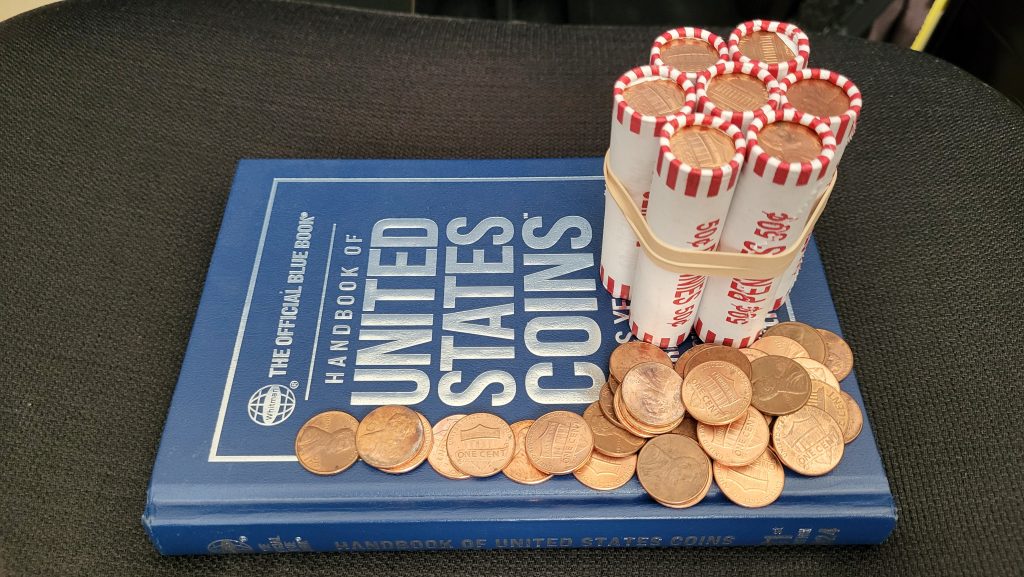
When the U.S. Mint officially ended penny production in 2025, most Americans shrugged. After all, the coin had been losing purchasing power for decades. But collectors? They saw an opportunity—and they moved fast. What followed was a fascinating shift in demand, value, and cultural nostalgia that turned the humble one‑cent coin into one of the hottest items in modern numismatics.
The Day the Penny Stopped: A Turning Point for Collectors
The discontinuation announcement didn’t instantly make pennies rare, but it did something arguably more powerful: it created finality. Suddenly, every penny in circulation became part of a closed chapter in U.S. coinage history. And collectors love a good ending.
The 2025 pennies—especially those struck in the final months—became instant targets. Even though billions were minted, collectors understood the psychology of “last-year issues.” The final date on any discontinued coin tends to gain long-term attention, and the penny was no exception.
Bank Rolls Become the New Gold Rush
One of the most surprising outcomes was the frenzy around bank-wrapped penny rolls. Before discontinuation, these rolls were so common that banks practically begged customers to take them. After 2025? They became a commodity.
Why bank rolls surged in value:
- Guaranteed uncirculated condition: Collectors love untouched coins.
- Potential for errors: Final-year minting often produces die varieties and mistakes.
- Nostalgia factor: A sealed roll feels like a time capsule.
- Speculation: Many buyers hoped rolls would appreciate like the last rolls of wheat cents did decades earlier.
Within months, rolls that once cost 50 cents were selling for several dollars—and in some cases, much more. Full boxes of 2025 rolls became investment pieces, often hoarded rather than opened.
The 2025 Penny: A Modern Collectible Overnight
Even though the 2025 penny wasn’t rare in a traditional sense, it became symbolically important. It represented:
- The end of an era
- The last U.S. coin to be made of copper-plated zinc
- A cultural artifact tied to childhood memories, charity jars, and everyday life
Collectors began grading them in record numbers. High‑grade examples—MS‑67 and above—started commanding premiums. Error coins from 2025, including off-center strikes and die cracks, became especially desirable.
Why Demand Rose Even Without True Scarcity
The penny’s value increase wasn’t driven by rarity—it was driven by behavior.
1. Hoarding
People pulled pennies from circulation at unprecedented rates. What was once pocket change became a keepsake.
2. Speculation
Collectors and casual buyers alike assumed the last-year pennies would appreciate over time. This self-fulfilling belief pushed prices upward.
3. Nostalgia
The penny is woven into American culture—piggy banks, penny candy, “a penny for your thoughts.” Losing it created emotional demand.
4. Social media hype
Videos of people unwrapping 2025 rolls, hunting for errors, and showing off sealed boxes fueled a viral collecting wave.
The Market Today: A New Normal for an Old Coin
While everyday circulated pennies still trade at face value, the collector market tells a different story:
- Uncirculated 2025 pennies sell for multiples of face value.
- Bank-wrapped rolls command premiums depending on condition and mint mark.
- Graded high-end examples have become modern staples in coin auctions.
- Error coins from 2025 are among the most sought-after modern mint mistakes.
The penny didn’t become rare—but it became desirable, and in collectibles, desire is often more powerful than scarcity.
A Final Thought
The discontinuation of the penny didn’t just end a coin—it ignited a movement. Collectors transformed a nearly worthless denomination into a modern collectible with real market momentum. Whether the trend continues long-term remains to be seen, but one thing is clear: the penny’s final chapter is far more valuable than anyone expected.